MACHAS
News - All the latest news straight from the artists themselves

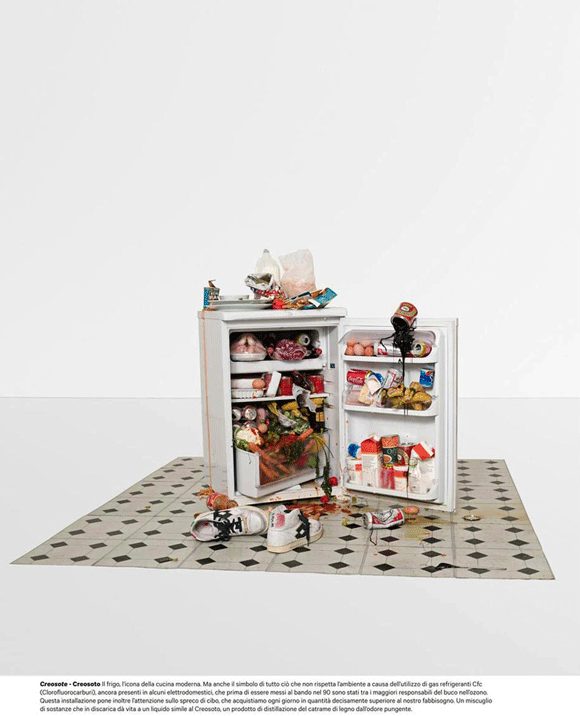
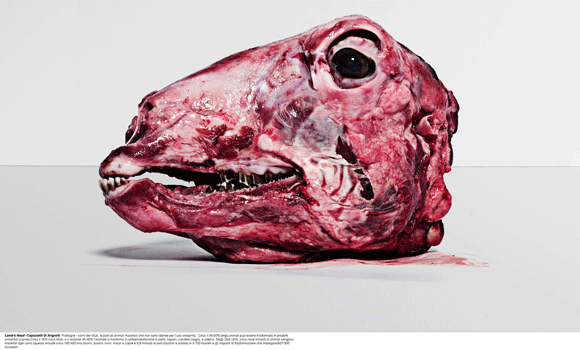
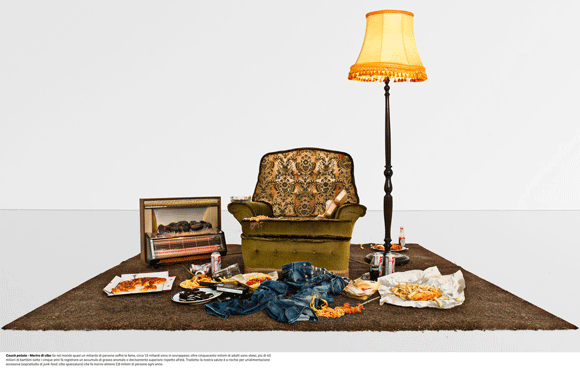

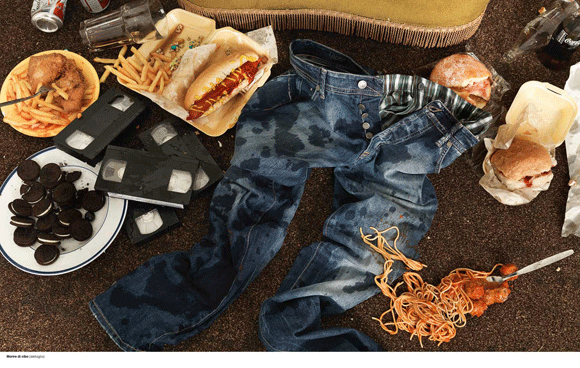
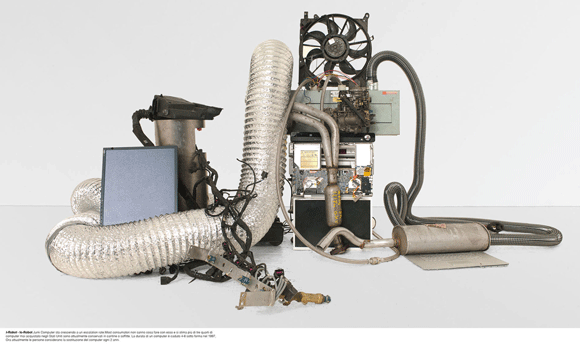
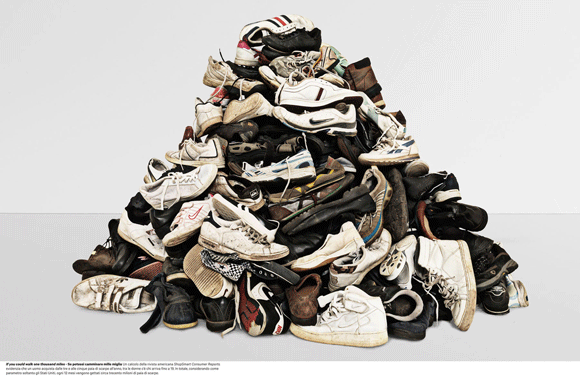
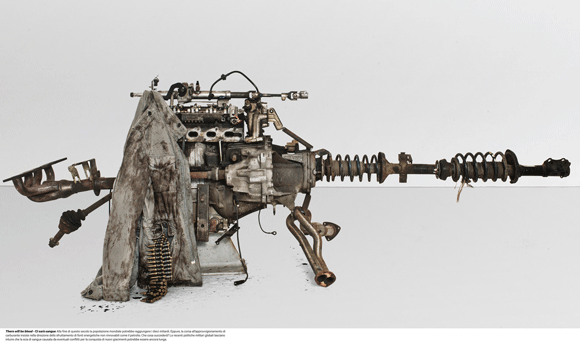
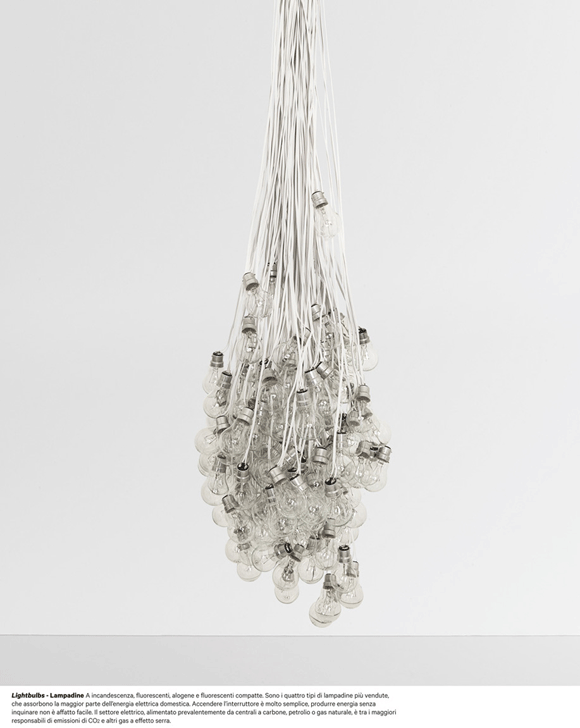
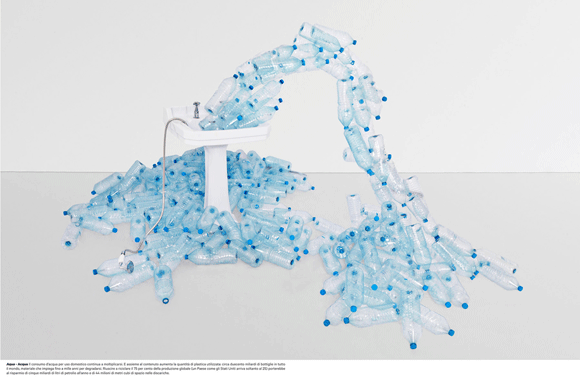
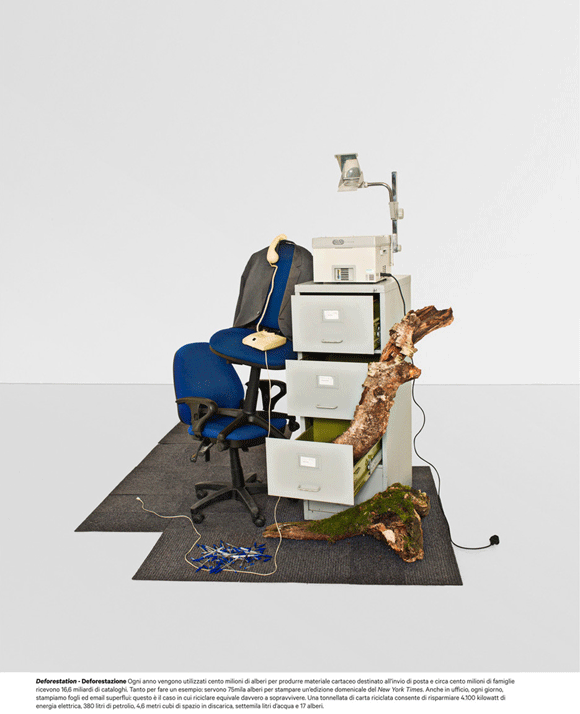
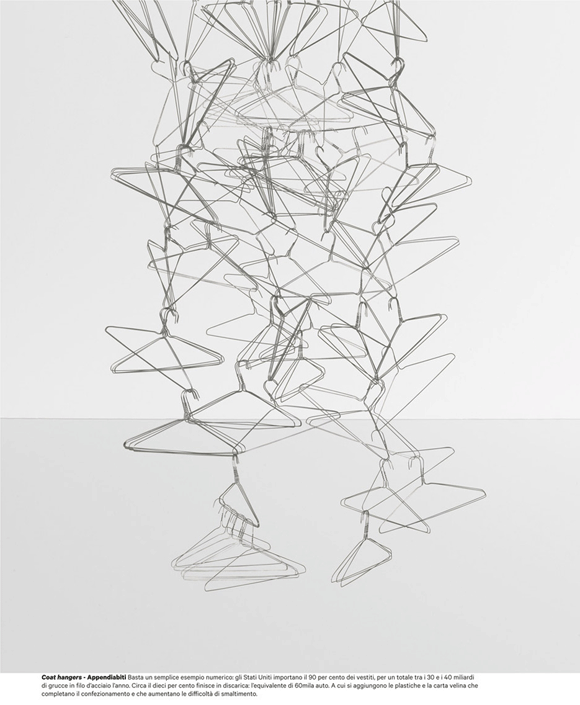
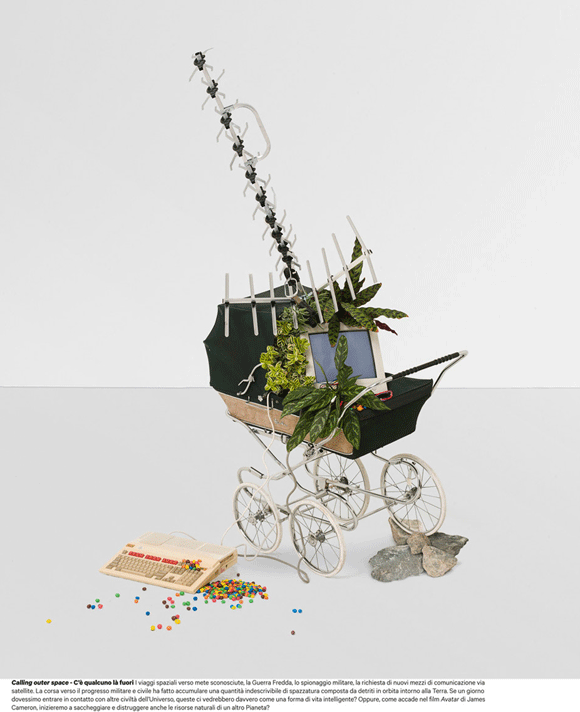
The Consumption Project: The Paradigm of Excess
Since I was a child, my mom taught me the virtue of recycling. Paper, glass, plastic, aluminum: each item had its neatly separated box and every time I placed an empty bottle in its fast track to reincarnation I felt I was gaining my spot with the environmentally righteous. Recycling is something that I still do, a habit I wouldn’t change. I also use my bike as my main mean of transportation, I don’t overheat my house in the wintertime, I turn off all the lights that are not necessary and I don’t eat meat. Yes, you can call me a hippy.
But I have to admit: I love my fast-fashion fix. I love it as much as the proper, well expensive fashion fix – the price tag doesn’t affect the level of serotonin joyously popping through my neurons. A recent survey has discovered that the average British woman now buys half her body weight in clothing in just one year: in my case, 27 kg of fabric is an awful lot of clothing for one small human being. We don’t need to live in a commune out in the woods or know by heart Erich Fromm’s “To Have or To Be?” to notice that the delirious Post-World War II dream of unstoppable happiness and limitless growth is catching up with us. Fast.
Our society is constantly removing the consequences of our spending behavior by either stuffing the landfills with the byproduct of our excess or cargo-shipping it to far-away countries. When the system short-circuits cities are buried alive in their own smelly waste; memories of Naples bursting with garbage are still so vivid.
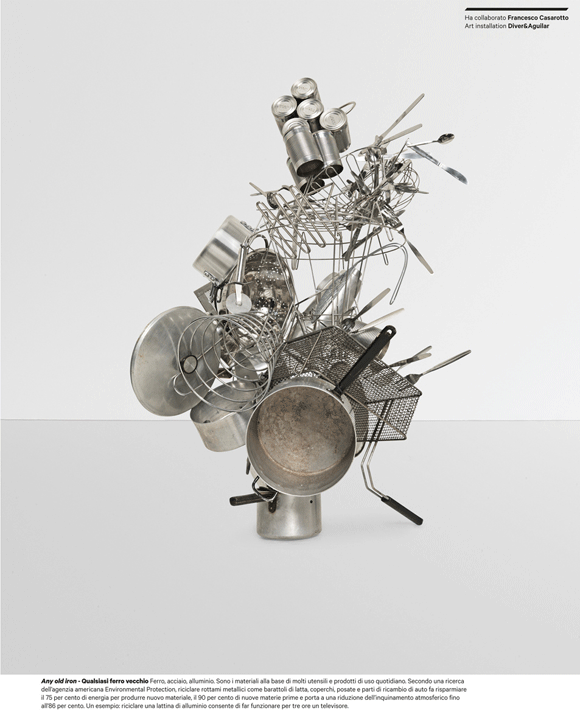
The latest editorial project that Diver & Aguilar has produced for Riders Magazine is not a fashion story: it explores the tension between greedy hedonism and the vital search for the essential. When the development of this economic system is no longer determined by the question of what is good for man, but rather what is good for the growth of the system itself, the drive to strip away the superfluous is far from being preposterous.
Diver & Aguilar joined forces with Riders’ Fashion Editor to create emblematic sculptures that capture the ignorance and the arrogance of the man who demands for objects that continues, paradoxically, to impoverish our lives.
Check Diver & Aguilar’s portfolio here